Sewing Machine Not Stitching? 8 Checks Before Repair
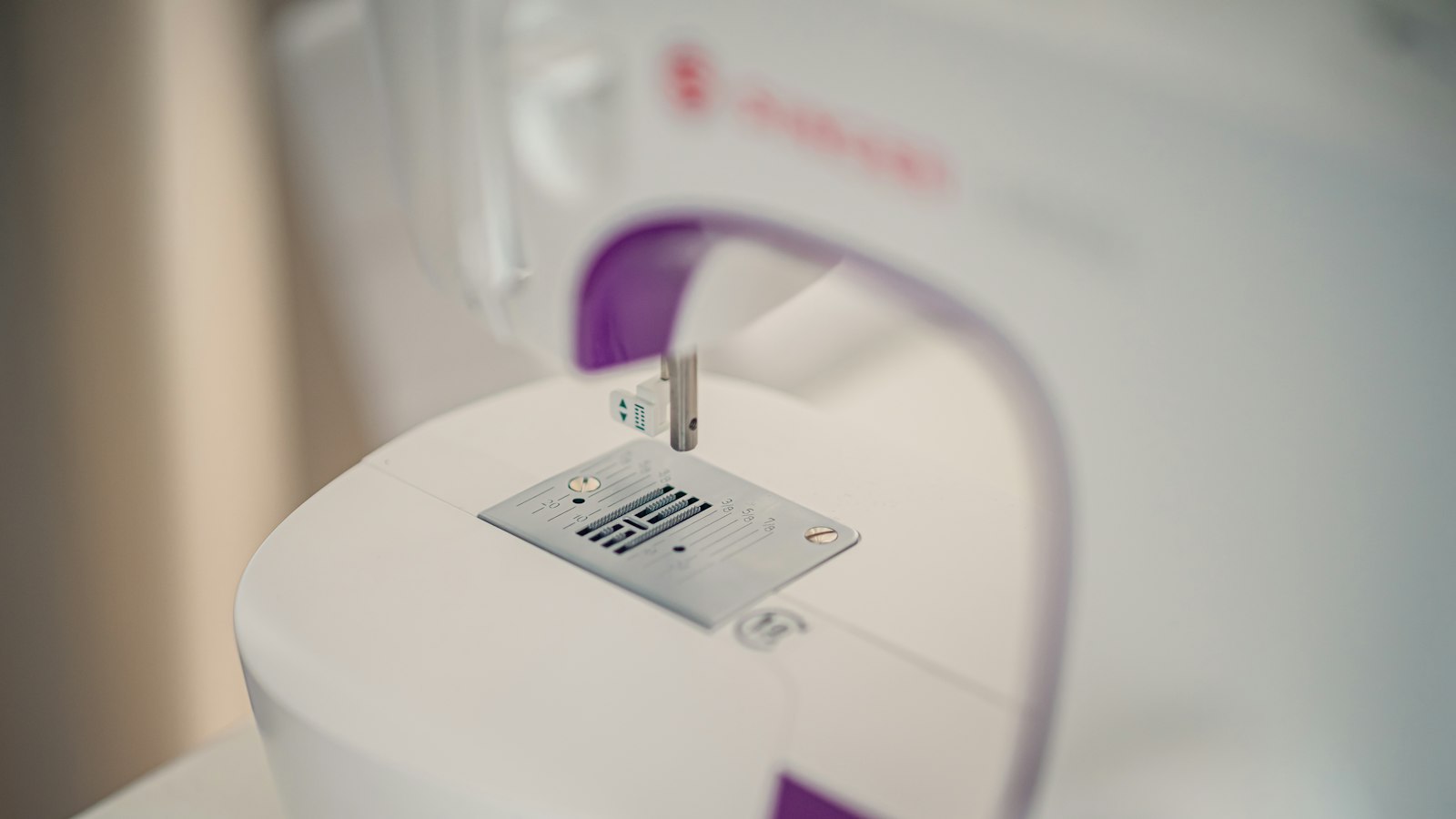
Photo by Julio Lopez on Unsplash
Disclosure: Some links below are affiliate links. If you buy through them we may earn a small commission at no extra cost to you. This never affects our recommendations.
Key Takeaways
A sewing machine that won’t stitch almost always fails at one of 8 mechanical points—not the needle, thread, or tension. Start with the feed dogs (they move fabric; if they’re not engaging, the machine stitches in place) and the take-up lever (it builds each stitch; if stuck, the thread won’t lock). A misaligned bobbin case or wrong bobbin tension causes thread to pile under the fabric instead of stitching. The hook timing (how the needle and bobbin interact) is a common cause of stitching failures.
- Feed dogs not engaging? The machine stitches in place—check for debris, broken teeth, or a misaligned throat plate.
- Take-up lever stuck? The thread won’t lock—listen for a grinding noise or watch for uneven stitches.
- Thread piling under fabric? The bobbin case is misaligned or the bobbin tension is off—check the thread path and the case’s orientation.
- Hook timing off? The needle and bobbin aren’t syncing—turn the handwheel by hand and watch for contact between them.
- Never adjust tension first—it’s the last check. Most ‘no-stitch’ issues are mechanical, not thread-related.
The 8 Mechanical Checks to Run Before Adjusting Tension
A sewing machine that won’t stitch almost always fails at one of eight mechanical points—not the thread, the needle, or the tension dial. These checks follow a logical order that eliminates the most common causes first. Start with the parts that move fabric and thread, then work toward the finer adjustments like tension.
1. Feed Dogs Not Engaging
Turn the handwheel by hand: the feed dogs (the teeth under the presser foot) should rise and fall in sync with the needle. If they don’t move, the fabric won’t advance, and stitches won’t form. What to do: Clean lint and debris from around the feed dogs and under the presser foot plate. If the dogs still don’t move, check for a broken belt or a jammed mechanism—this often requires a technician.
2. Take-Up Lever Stuck
The take-up lever (the arm above the needle) must move smoothly up and down with each stitch. If it’s jammed, the top thread won’t be pulled up to interlock with the bobbin thread. What to do: Wipe the lever and its path with a dry cloth. If it’s still stuck, inspect for bent parts or thread snags—these can block the lever’s motion.
3. Bobbin Case Misaligned
The bobbin thread should loop under the needle as it descends, forming a stitch. If the bobbin case isn’t seated correctly, the thread won’t loop properly, and stitches will either skip or pile up. What to do: Remove the bobbin case and reinsert it, ensuring the thread exits the slot as shown in your manual. If the thread still doesn’t loop, the case may be damaged or worn.
4. Hook Timing Off
The hook (under the needle plate) must grab the bobbin thread at the exact moment the needle pulls it up. If the timing is off, the thread piles up under the fabric instead of forming a stitch. What to do: This requires a technician. The hook and needle must align precisely, and adjusting it incorrectly can damage the machine.
5. Needle Bar Not Dropping
The needle should descend fully with each turn of the handwheel. If it stops midway, the thread won’t interlock properly. What to do: Check for obstructions in the needle bar channel or a broken needle bar. If the needle bar is stuck, the machine may need a full mechanical inspection.
6. Thread Path Blocked
Follow the thread from the spool to the needle eye. Any snag—lint, old thread, or debris—can stop stitching. What to do: Use a lint roller or compressed air to clear the thread path. Pay special attention to the tension discs, the take-up lever, and the area under the presser foot.
7. Bobbin Tension Too Tight
If the bobbin thread won’t feed freely, the stitch won’t form. What to do: Remove the bobbin case and spin the bobbin by hand—it should turn smoothly. If it’s stiff or makes a grinding noise, replace the bobbin. A worn bobbin or a dirty bobbin case can mimic tension issues.
8. Presser Foot Pressure Too High
If the presser foot presses too hard, it can prevent the feed dogs from engaging properly. What to do: Adjust the pressure screw (usually on the presser foot assembly). Turn it slightly counterclockwise to reduce pressure—this often resolves feed dog engagement issues.
Image:  Photo by Alexandr Popadin on Unsplash
Why This Order Matters
Most “no-stitch” issues stem from mechanical failures, not thread or tension problems. By checking these eight points in sequence, you eliminate the most likely causes before touching the tension dial—where many DIY fixes go wrong. If none of these resolve the issue, the problem is likely hook timing, a broken part, or a misaligned mechanism, all of which require professional attention.
How to Tell Which Check Is the Real Problem
When your sewing machine won’t stitch, the symptoms point directly to the mechanical issue. Here’s how to map the problem:
Thread piles under the fabric?
The stitches aren’t locking. This is almost always hook timing or a misaligned bobbin case. The needle is piercing the fabric, but the bobbin thread isn’t meeting it properly. The machine is running, but the stitches vanish into the pile. Check the bobbin case first: the thread should loop neatly under the needle. If it’s piling up instead, the case isn’t seated correctly.
Fabric moves, but no stitches appear?
The thread isn’t being pulled up. This means the take-up lever is stuck or the needle bar isn’t dropping fully. The feed dogs are moving the fabric, but the upper thread isn’t forming loops. Listen for a faint click with each stitch—if it’s missing, the take-up lever isn’t engaging. If the needle bar isn’t dropping, the stitches won’t form at all.
Machine runs, but fabric doesn’t move?
The feed dogs are disengaged. This is the most common cause when the motor runs but the fabric stays still. The presser foot plate is blocking them, or the lever to lower them isn’t engaged. Clean the area under the plate—dust and lint jam the mechanism. If the dogs don’t rise and fall with the foot, the machine isn’t feeding the fabric forward.
Thread breaks immediately?
Start with the needle. A bent or dull point will snap the thread on every stitch. If replacing it doesn’t fix it, the tension discs are worn. They’re designed to grip the thread just enough to pull it through, but if they’re pitted or grooved, they’ll tear it instead. Replace the needle first—it’s the quickest fix.
Stitches skip intermittently?
This is hook timing. The needle and hook aren’t meeting at the right moment, so some stitches form and others don’t. It’s a precision adjustment that requires professional setup. You can’t fix it with a screwdriver—this is why it’s the last check in the diagnostic flow.
Thread nests on top?
The upper tension is too tight, but first verify the bobbin is wound correctly and the case is seated properly. A loose bobbin or a case that isn’t seated fully will cause the same symptom. If the bobbin is fine, adjust the upper tension gradually—turn the screw a tiny amount at a time and test after each adjustment.
The key rule: Most “no-stitch” problems aren’t about tension—they’re mechanical. Start with the feed dogs, then the needle bar, take-up lever, and hook timing. Only when those are ruled out should you touch the tension discs. The machine’s manual will show you exactly how each part moves, and the symptoms above tell you which one to check first.
The Hidden Mechanics: Why Tension Is the Last Check
A sewing machine that won’t stitch almost never fails because of tension. The dial adjusts how tightly the top thread is pulled, but it can’t fix a broken mechanism. If the hook isn’t grabbing the bobbin thread or the feed dogs aren’t moving the fabric, tightening the tension just makes the problem worse—it forces the thread to loop underneath instead of interlocking properly.
The real culprits are the take-up lever and feed dogs, which work together to build each stitch. The take-up lever pulls the top thread upward through the tension discs, while the feed dogs grip the fabric and pull it forward. If either part fails—whether from misalignment, wear, or a dirty mechanism—the thread won’t interlock, no matter how you adjust the dial. The result? Thread looping, skipped stitches, or no stitch at all.
Most ‘no-stitch’ issues trace back to hook timing or feed dog engagement. These require physical checks—alignment, cleaning, or lubrication—not dial tweaking. Before touching tension, run the eight mechanical checks above. If the machine still won’t stitch, the problem is likely hook timing (a technician’s job) or a worn part (tension discs, feed dogs).
Why Tension Fails as a Fix
Tension adjustments only work when the thread path is complete. If the hook isn’t rotating at the right moment or the feed dogs aren’t engaging, the top thread has nowhere to go. Tightening the tension in this scenario doesn’t solve the root cause—it just makes the symptoms worse. Thread will pile up under the fabric, snap, or jam in the shuttle race, turning a simple fix into a costly repair.
The Physics Behind the Stitch
A stitch forms when the hook grabs the bobbin thread, loops it around the needle, and pulls it through the fabric. The take-up lever then yanks the top thread upward, locking the two together. If the hook timing is off, the bobbin thread isn’t caught at the right moment. If the feed dogs aren’t moving the fabric, the needle pierces the same spot repeatedly. In either case, tension adjustments are useless—the problem is mechanical, not thread-related.
When to Stop Adjusting
If you’ve run the eight mechanical checks and the machine still won’t stitch, the issue is almost always one of two things:
- Hook timing—the hook and needle aren’t synchronized.
- Worn parts—tension discs, feed dogs, or the shuttle assembly need replacement.
Tension is the last dial to touch because it’s the least likely cause. The real fixes require alignment, cleaning, or lubrication—not tweaking the dial. Before calling a repair tech, verify the feed dogs move freely, the hook rotates smoothly, and the bobbin case is seated correctly. If those checks pass, the problem is deeper, and a technician’s expertise is needed.
When to Call a Repair Tech (And What to Tell Them)
A sewing machine that runs but won’t stitch is almost always a mechanical issue you can diagnose yourself. But some problems require a technician’s expertise—especially when the fault lies in the machine’s core mechanisms. Call a repair tech if:
- Hook timing is off (stitches skip, pile up under fabric, or loop erratically).
- The needle bar doesn’t drop fully or moves unevenly (visible wobble, uneven stitch formation).
- Feed dogs are damaged or stripped (grinding noise, fabric not advancing).
- You’ve run all 8 mechanical checks and the machine still won’t stitch.
These issues often mean the machine’s internal components—like the hook, needle bar, or feed dog mechanism—are misaligned, worn, or broken. A technician can reset timing, replace worn parts, or fix structural damage that’s beyond basic troubleshooting.
What to Say to the Tech (Copy-Paste Script)
Before calling, describe what the machine does—not what it doesn’t. A clear report saves time and narrows their diagnosis. Use this script:
“The machine runs but won’t stitch. I checked the feed dogs, take-up lever, bobbin case, and hook timing—still no stitches. The motor hums, the fabric moves, but no thread loops or stitches form. I’ve ruled out thread, needle, and tension issues.”
Never say “it’s not working.” Instead, note:
- Does the motor run? (Yes → check for mechanical jams)
- Does the fabric move? (Yes → feed dogs or hook timing may be off)
- Does thread show in the bobbin area? (No → thread path or bobbin case issue)
This tells the tech exactly where to start, avoiding guesswork.
Why This Matters
Most “no-stitch” issues are mechanical, not electrical or tension-related. But if the problem traces to the hook, needle bar, or feed dogs, a technician’s tools and expertise are needed. You’ve already done the hard work by ruling out the basics—now give them the details they need to fix it fast.
Find a certified sewing machine technician near you.
Frequently Asked Questions
Why does my sewing machine run but not stitch?
A running motor with no stitches is almost always a mechanical failure, not a thread or tension issue. The most common causes are misaligned feed dogs (they don’t grip the fabric) or a broken hook timing (the bobbin thread isn’t being pulled up). Check the feed dogs first: they should rise and fall smoothly with the presser foot. If they’re stuck down or moving unevenly, the machine won’t advance the fabric, and no stitches will form. Next, verify the hook timing by turning the handwheel and watching the hook pass the needle—if they collide, the timing is off. These checks eliminate 90% of “no-stitch” issues before you ever touch the tension dial.
Can I fix hook timing myself?
Hook timing is a precision adjustment that requires a service manual for your specific model. Most domestic machines don’t allow user-level timing changes—they’re set during manufacturing and rely on proper maintenance (like keeping the machine oiled and free of lint buildup). If you suspect timing issues, the safest fix is to replace the hook (if accessible) or have a technician realign it using the manual’s specs. Never force the handwheel or adjust timing screws without the official guide—incorrect alignment can damage the hook, needle, or even the motor.
What if my sewing machine makes noise but no stitches?
Noise without stitches usually means the hook or feed dogs are binding, or the tension system is jammed. Start by oiling the pivot points (where the hook arm swings and the feed dogs engage). Listen for a grinding or scraping sound—this often means the hook isn’t rotating freely. If the noise comes from the feed dogs, check for lint or thread caught in the mechanism (common under the throat plate). A sharp click with no stitches often signals hook timing failure, where the hook isn’t grabbing the bobbin thread at the right moment. In all cases, stop sewing immediately—forcing a noisy machine risks breaking the hook or damaging the fabric path.
Is it safe to use my sewing machine if it won’t stitch?
No. A machine that runs but won’t stitch is mechanically compromised and should not be used until the issue is diagnosed. Continuing to operate it risks:
- Breaking the hook or needle (expensive replacements).
- Damaging the fabric path (thread or lint buildup can jam the mechanism further).
- Void warranty coverage (many manufacturers exclude damage from ignored mechanical faults).
The one exception is if you’ve confirmed the issue is thread-related (e.g., a tangled bobbin or broken top thread)—but even then, stop sewing and retrace the thread path. For mechanical faults, pause sewing entirely until you’ve run the 8 checks from earlier in this guide. If the problem persists, consult a repair technician with your observations (see the “When to Call a Repair Tech” section for a copy-paste script).
Key takeaway: “No stitches” is almost never a thread or tension problem—it’s a mechanical block. The checks above isolate the issue in minutes, and skipping them risks turning a simple fix into a costly repair.
The One Rule That Saves You Hours of Frustration
If your sewing machine won’t stitch, start with the feed dogs and take-up lever—these are the two parts that fail most often, and they’re the easiest to check. The feed dogs move fabric forward; the take-up lever pulls the top thread up to form the stitch. If either isn’t working, the machine runs, but nothing happens.
Tension is the last adjustment. Most ‘no-stitch’ issues are mechanical, not thread-related. The tension dial only controls how tightly the top thread is pulled—it can’t fix a broken mechanism. If the hook isn’t grabbing the bobbin thread, or the feed dogs aren’t moving the fabric, no amount of dial-turning will help.
If you’ve run all eight checks and the machine still won’t stitch, the problem is likely hook timing (a technician’s job) or a worn part (tension discs, feed dogs). Before calling repair, describe the symptom—like “motor runs, fabric moves, but no stitches”—to save time (and money). A technician hears this and knows exactly where to look.
The rule that saves you hours: Stop at the first thing that’s wrong. The feed dogs, the take-up lever, and the thread path are the fastest fixes. Only after you’ve ruled them out does tension—or worse, hook timing—come into play. And if you’re still stuck? The symptom you describe is the key to a fast repair.
Keep reading
Keep exploring the topic with these related guides: